Lagoon Day 2026
Thomaston Environmental Department
33 Clark StreetThomaston, ME 04861-3850
United States
* Registration open until 6/17/26 at 8:00 PM (EDT)
Event Details
Class Description:
Maine Rural Water Association is pleased to present this program at the Thomaston Environmental Department Lagoon System.
Lagoon Day is a full day event with four, 90-minute sessions.
1. Wastewater Treatment Facility Tour (Tony Leo, Thomaston Environmental Department)
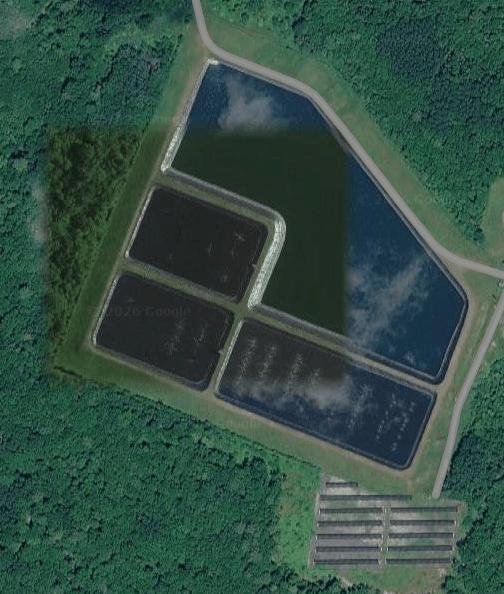
Thomaston Environmental Department will provide a walk through of the wastewater treatment facility including system design, engineering components, and more. The facility has three treatment lagoons followed by a storage lagoon. In the winter, the treated effluent is disinfected and discharged to the river or, when temperatures allow, the effluent is turned into ice via two ice towers installed in recent years. This past winter (2025-2026), colder temperatures meant that no effluent was discharged into the river. From mid-May through October, the effluent is land applied by a spray irrigation system. The department has approximately 300-acres of spray fields.
This session will include a comprehensive overview of a wastewater lagoon system, designed for municipal staff, operators, engineers, and regulatory professionals. The tour will include discussion of the full lifecycle of lagoon-based treatment, including system components, operational principles, recent upgrades, and regulatory compliance considerations. The tour includes a walkthrough of key infrastructure such as liners, pump stations, and diffused aeration systems.
2. Seasonal Process Controls for Wastewater Lagoon Operations (Aaron Gaylord, Maine Rural Water Association)
This session explains how seasonal changes affect wastewater lagoon performance and provide strategies to tackle the challenges of adjusting lagoon process control through seasonal cycles. Covering key challenges such as lagoon turn-over events, summer algae & duckweed growth and reduced biological activity through winter conditions.
Key Topics & Context:
- Importance of seasonal awareness in lagoon systems
- Overview of facultative lagoon biology (aerobic, facultative, anaerobic zones)
- How environmental factors drive treatment performance:
- Temperature.
- Sunlight.
- Atmospheric mixing.
- Precipitation & inflow variability.
- Common seasonal compliance risks (BOD, TSS, E. coli).
3. Lagoon Mixing Optimization: Hydraulic Performance and Solids Management with Lagoon Master Systems (Don LeBlanc, DLVEWS)
This course focuses on the hydraulic and mechanical mixing performance of the Lagoon Master system and its role in restoring lagoon efficiency. Participants will learn how bottom-rolling circulation eliminates stratification, mobilizes inert sludge, and redistributes solids for enhanced biological contact. The curriculum covers fluid dynamics within lagoon environments, sludge blanket behavior, and how continuous mixing improves treatment capacity by exposing previously inactive solids to oxygen and bacteria. Emphasis is placed on diagnosing poor mixing conditions, including dead zones, short-circuiting, and seasonal turnover risks.
The course also walks through practical design and operational considerations, including unit placement, anchoring strategies, and airflow adjustments to maximize mixing efficiency across varying lagoon geometries and depths. Real-world case studies demonstrate how proper mixing reduces dredging frequency, increases effective lagoon volume, and stabilizes performance under variable loading conditions. By the end of the course, participants will be equipped to evaluate, design, and optimize Lagoon Master installations specifically for high-performance mixing applications.
4. Lagoon Aeration Optimization: Oxygen Transfer and Biological Treatment Performance with Lagoon Master Systems (Don LeBlanc, DLVEWS)
This course highlights the aeration performance of the Lagoon Master system and its impact on lagoon biology, odor control, and effluent quality. Participants will gain a clear understanding of oxygen transfer principles, including how fine-bubble diffusion and circulation patterns work together to maintain consistent dissolved oxygen levels throughout the water column. The course explores the relationship between aeration and microbial activity, focusing on how improved oxygenation accelerates BOD reduction, minimizes anaerobic conditions, and significantly reduces odor-causing compounds such as hydrogen sulfide.
In addition, the course covers system sizing, blower selection, and energy efficiency considerations that differentiate Lagoon Master from conventional aeration systems. Participants will review performance data and case studies demonstrating measurable improvements in DO levels, reduced chemical usage, and lower operating costs. The course concludes with guidance on monitoring aeration effectiveness, troubleshooting low-oxygen conditions, and optimizing system settings to meet regulatory requirements and long-term treatment goals.
Event Fee: $125 Members | $150 Non-Members
State Agency Approval:
Maine DEP: 6.0 TCHs for Wastewater Operators
For More Information:
THIS IS A LIVE, ALL-DAY EVENT!
The day will start at the Thomaston Lagoon System, 33 Clark Street, Thomaston, ME 04861
Please arrive 15 minutes early (at 7:45am) so we can take attendance.
CATERED LUNCH WILL BE PROVIDED ON SITE!
at (207) 737-4092 or trainingdepartment@mainerwa.org.
This year's Lagoon Day is kindly sponsored by Don LeBlanc and DLVEWS!